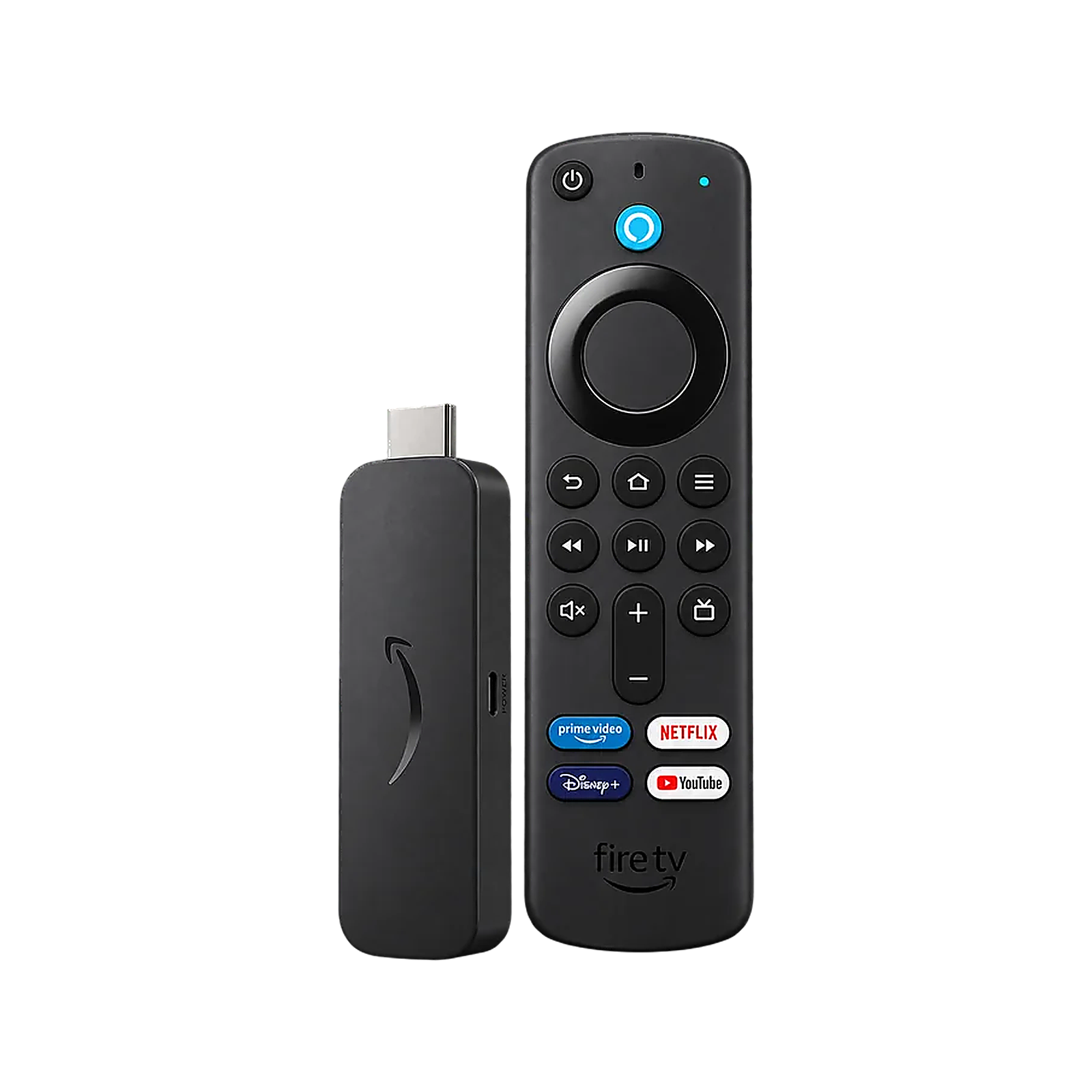
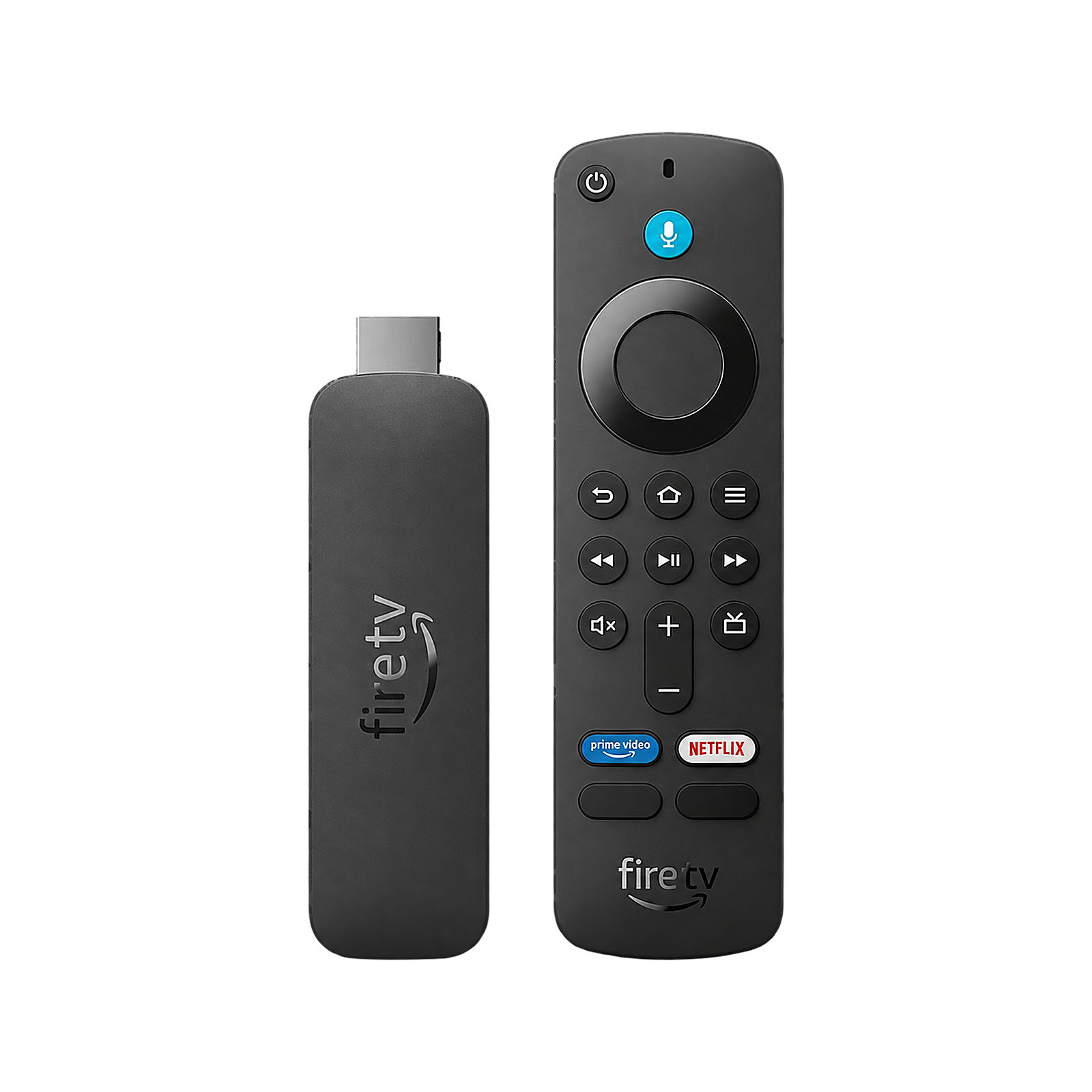
Fire TV Stick 4K Select vs 4K Max is not a close specifications contest. The Select is designed as Amazon’s lower-cost 4K option and runs Vega OS 1.1. The Max is Amazon’s more capable Fire TV stick and stays on Fire OS 8.
Fire TV Stick 4K Select vs 4K Max: key differences
| Feature | Fire TV Stick 4K Select | Fire TV Stick 4K Max (2nd Gen) |
|---|---|---|
| Operating system | Vega OS 1.1 | Fire OS 8 (Android 11 base) |
| RAM | 1GB | 2GB |
| Storage | 8GB | 16GB |
| Wi-Fi | Wi-Fi 5 | Wi-Fi 6E |
| 4K | Yes | Yes |
| HDR10 / HDR10+ | Yes | Yes |
| Dolby Vision | No | Yes |
| Android APK sideloading | No normal consumer APK installation | Yes, subject to Fire OS settings and Amazon policies |
| Best for | Cheap secondary-TV streaming | Main TV and heavier use |
Vega OS vs Fire OS
The software platform is the first major difference. The Select uses Vega OS, which is separate from Android-based Fire OS. Normal Android APK sideloading is therefore not available on the Select.
The Max runs Fire OS 8 on an Android 11 base. That makes it the more flexible choice for app compatibility and for buyers who legitimately install Android apps from outside the Amazon Appstore.
Amazon does provide developer tools for testing Vega applications, but that is not the same thing as normal consumer sideloading. If app flexibility is one of your priorities, buy the Max.
The Max doubles both RAM and storage
The Select has 1GB RAM and 8GB storage. The 4K Max increases those figures to 2GB RAM and 16GB storage.
The storage difference is particularly useful over time. Streaming-device storage is consumed by the operating system, apps, updates and cached data, so 16GB gives the Max much more breathing room if it will be your main streamer.
The additional RAM also gives the Max more headroom for heavier apps and multitasking. Because the two sticks run different operating systems, raw memory figures are not a direct performance benchmark, but the Max is clearly the higher-specification device.
For the Max on its own, read our Fire TV Stick 4K Max review UK.
Wi-Fi 6E vs Wi-Fi 5
The Max supports Wi-Fi 6E, including the 6GHz band when used with a compatible router. The Select uses Wi-Fi 5.
A good Wi-Fi 5 connection can still handle ordinary 4K streaming. Wi-Fi 6E becomes more useful in busy wireless environments or where a clear 6GHz connection is available. It is an advantage rather than a requirement.
Dolby Vision is another Max advantage
Both sticks support 4K, HDR10, HDR10+ and HLG. The 4K Max also supports Dolby Vision, while the Select does not.
If your TV supports Dolby Vision, the Max lets you use that format with compatible content. If your television only supports HDR10/HDR10+, this particular difference is less important.
Is the 4K Select good enough for a bedroom TV?
Yes, potentially. If you only use mainstream services available for Vega OS, do not need Dolby Vision and are buying for a secondary television, the Select can be the more economical option.
The key is price. If the Max is heavily discounted and the gap becomes small, the Max’s extra storage, RAM, wireless capability and Fire OS flexibility make it difficult to justify the Select.
Fire TV Stick 4K Select: who should buy it?
- Budget-focused buyers who find it substantially cheaper than the Max.
- People using a secondary TV for a small number of mainstream apps.
- Households that do not use Dolby Vision.
- Anyone who does not need Android APK sideloading.
Fire TV Stick 4K Max: who should buy it?
- Most buyers choosing a Fire TV stick for their main television.
- People who install many apps and benefit from 16GB storage.
- Buyers who want Dolby Vision.
- Users who need normal Fire OS app flexibility and APK sideloading.
- Homes with Wi-Fi 6E equipment.
ViewHarbour verdict
Buy the Fire TV Stick 4K Max if you want the strongest Fire TV stick and the price difference fits your budget. Its 16GB storage, 2GB RAM, Wi-Fi 6E, Dolby Vision and Fire OS platform make it the substantially more capable product.
Buy the Fire TV Stick 4K Select only when value is the priority and your usage is simple enough that Vega OS, 8GB storage, Wi-Fi 5 and the lack of Dolby Vision are not meaningful compromises.
For the cheaper middle option, read Fire TV Stick 4K Select vs 4K Plus UK. You can also read our 4K Select review, compare the existing 4K Plus vs 4K Max, or use the ViewHarbour Device Finder.