
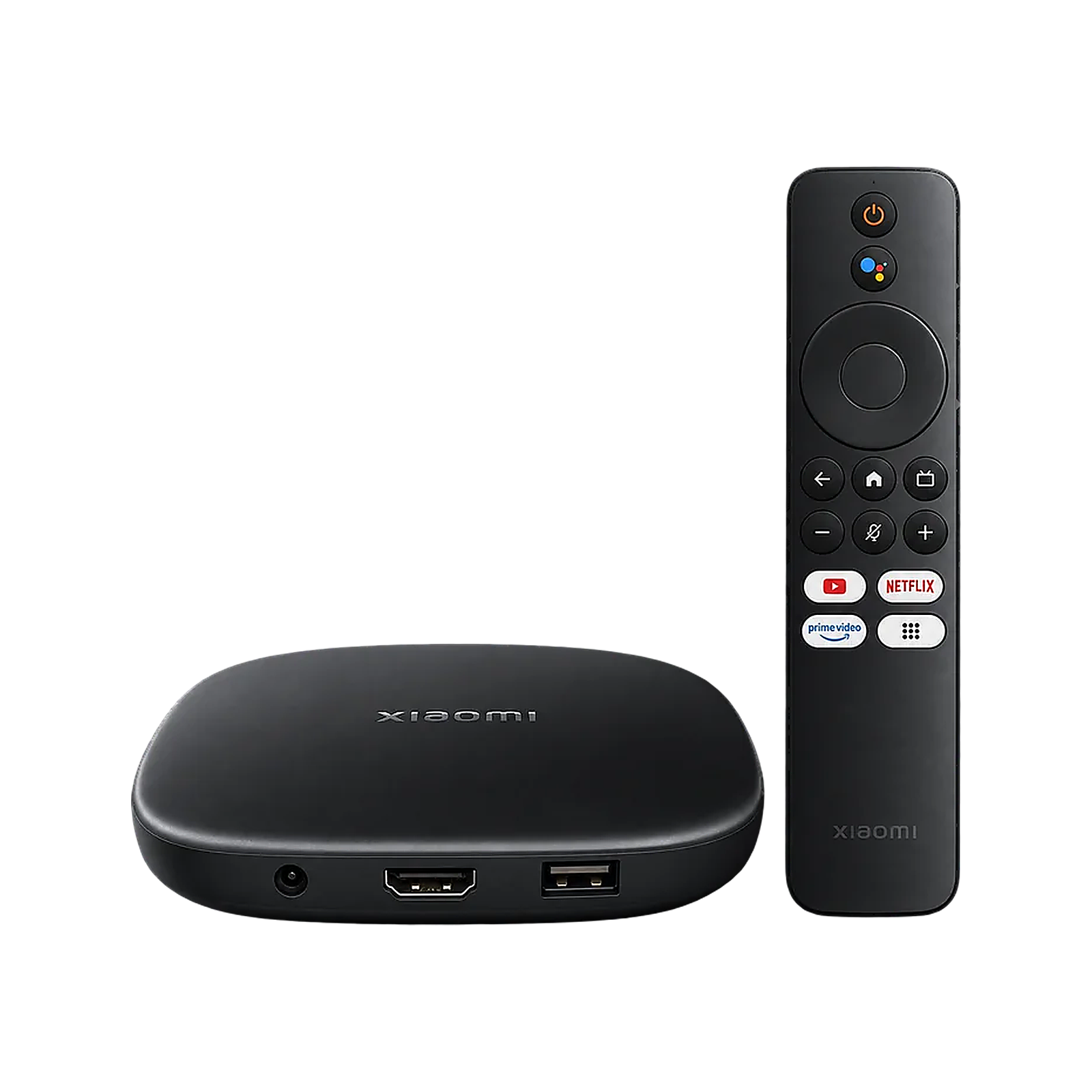
 Best all-round box
Independent UK streaming-device reviews and guides
Find the right streaming device. Without the guesswork.
We compare streaming sticks and TV boxes for UK viewers, explain the differences that matter, and help you narrow the choice without wading through spec sheets.
Made for UK viewersIndependent editorialHands-on work clearly labelled
TOP PICKS
View all devices →
Three good places to start.
There isn't one box or stick that's right for everyone. These are our current starting points for different kinds of buyer.
Already know what format you want? See our streaming-stick guide or certified Android TV box guide.
Best all-round box
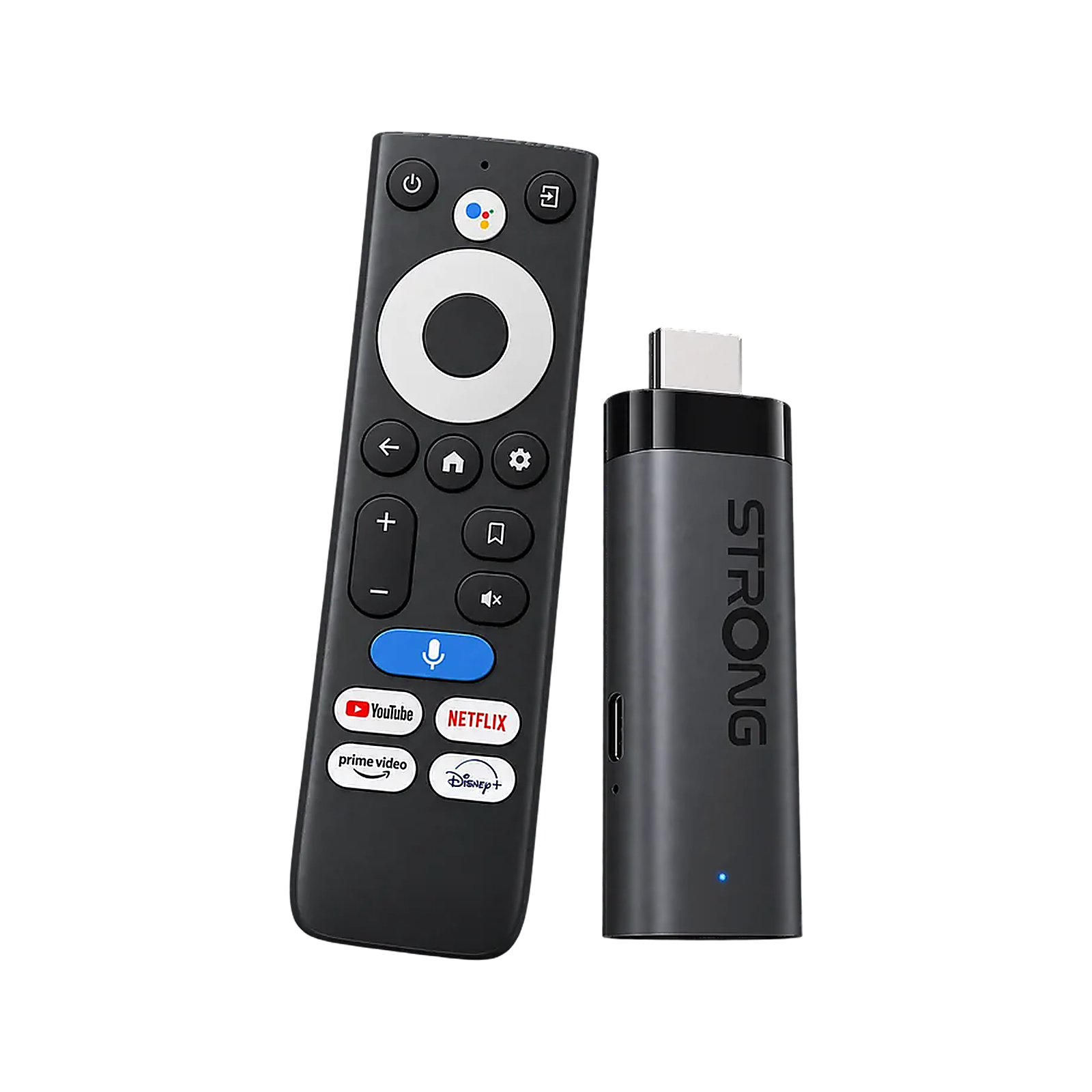 Best 32GB stick
STRONG
STRONG LEAP NOVA UK: 32GB Google TV Stick
Android TV 14 / Google TV · 2GB RAM · 32GB storage · Wi-Fi 6 · Dolby Vision
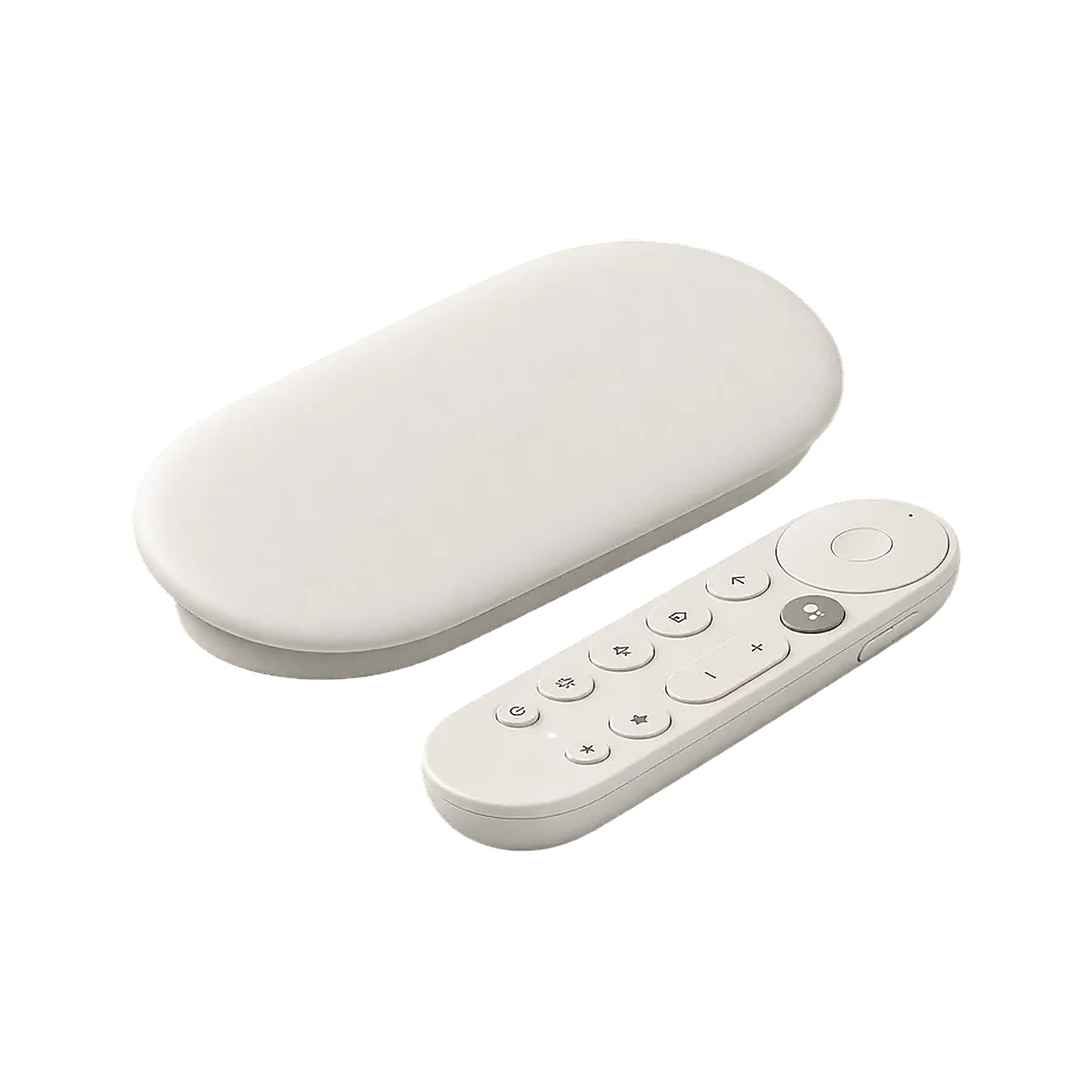 Best premium wired
Google
Google TV Streamer (4K)
Android TV OS 14 · 4GB RAM · 32GB storage · Wi-Fi 5 (802.11ac dual-band) · Ethernet · Dolby Vision
CHOOSE BY PRIORITY
What do you care about most?
SMART MATCH
Find the device that actually fits how you watch.
Six quick questions score the current ViewHarbour device catalogue against your use case, budget, ecosystem and hardware priorities. Hard requirements are applied before suitability scoring, so incompatible devices cannot outrank a device that actually meets what you asked for.
✓ UK focused✓ Specs + suitability✓ Affiliate-neutral ranking
How it works: Finder rankings use your answers, published device specifications and ViewHarbour suitability profiles. Retailer commissions never change the recommendation score.
Device FinderQuestion 1 of 6
17% complete
QUICK COMPARE
Down to two choices?
Compare them side by side and focus on the differences you'll notice in a real setup.
Open comparison tool →BUYING GUIDES
See all guides →Understand the specs that are worth paying attention to.
8 · 16 · 32GB
BUYING GUIDE
8GB vs 16GB vs 32GB
How much storage is enough, and when paying for more makes sense.
GOOGLE TV
PLATFORM GUIDE
Android TV vs Google TV
What the names mean, what they share, and which differences you'll actually notice.
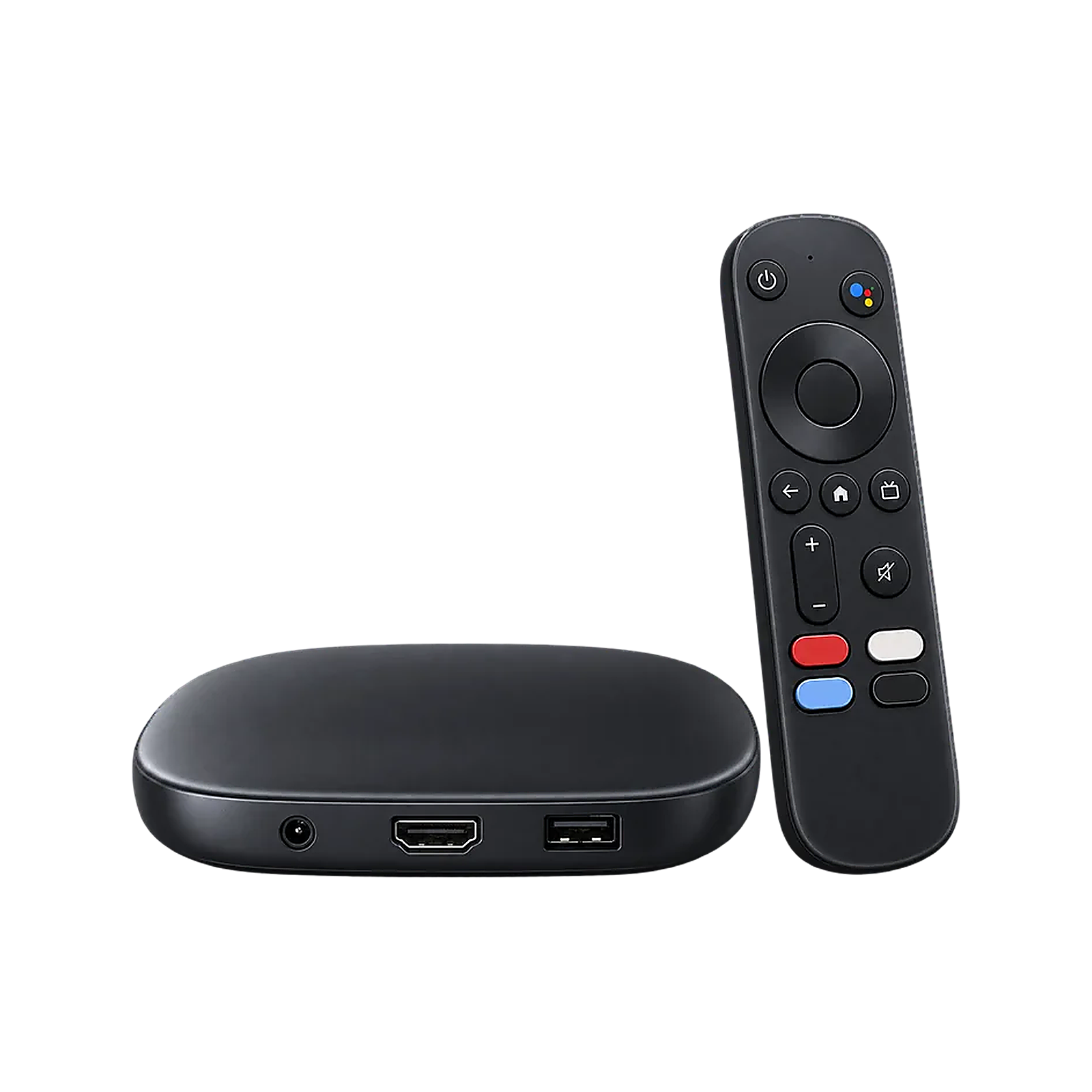 FIRE TV →
SWITCHING GUIDE
Best Fire TV alternatives
If you're thinking of leaving Fire TV, these are the platforms and devices worth looking at first.
HOW WE WORK
Clear advice, with the caveats left in.
We check important specifications against primary sources, label hands-on testing separately, and keep the drawbacks visible instead of burying them.
How we research →01Key specs checked
02Drawbacks kept visible
03Affiliate links don't set rankings